Connect with us:


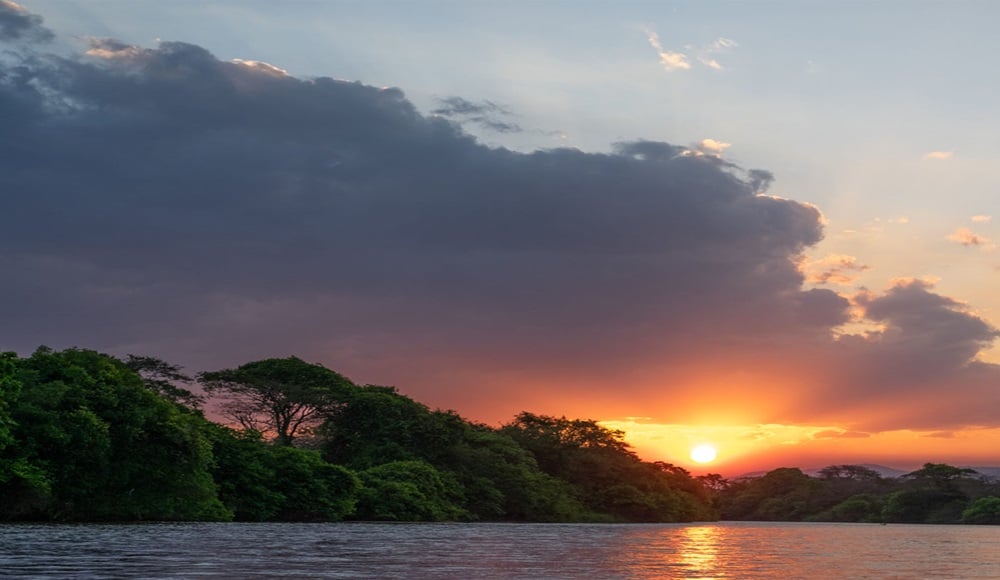
Working with communities as advisers, partners, and activators in restoring degraded ecosystems and sustainable livelihoods using indigenous species and local knowledge/solutions.
Working with communities as advisers, partners, and activators in restoring degraded ecosystems and sustainable livelihoods using indigenous species and local knowledge/solutions.
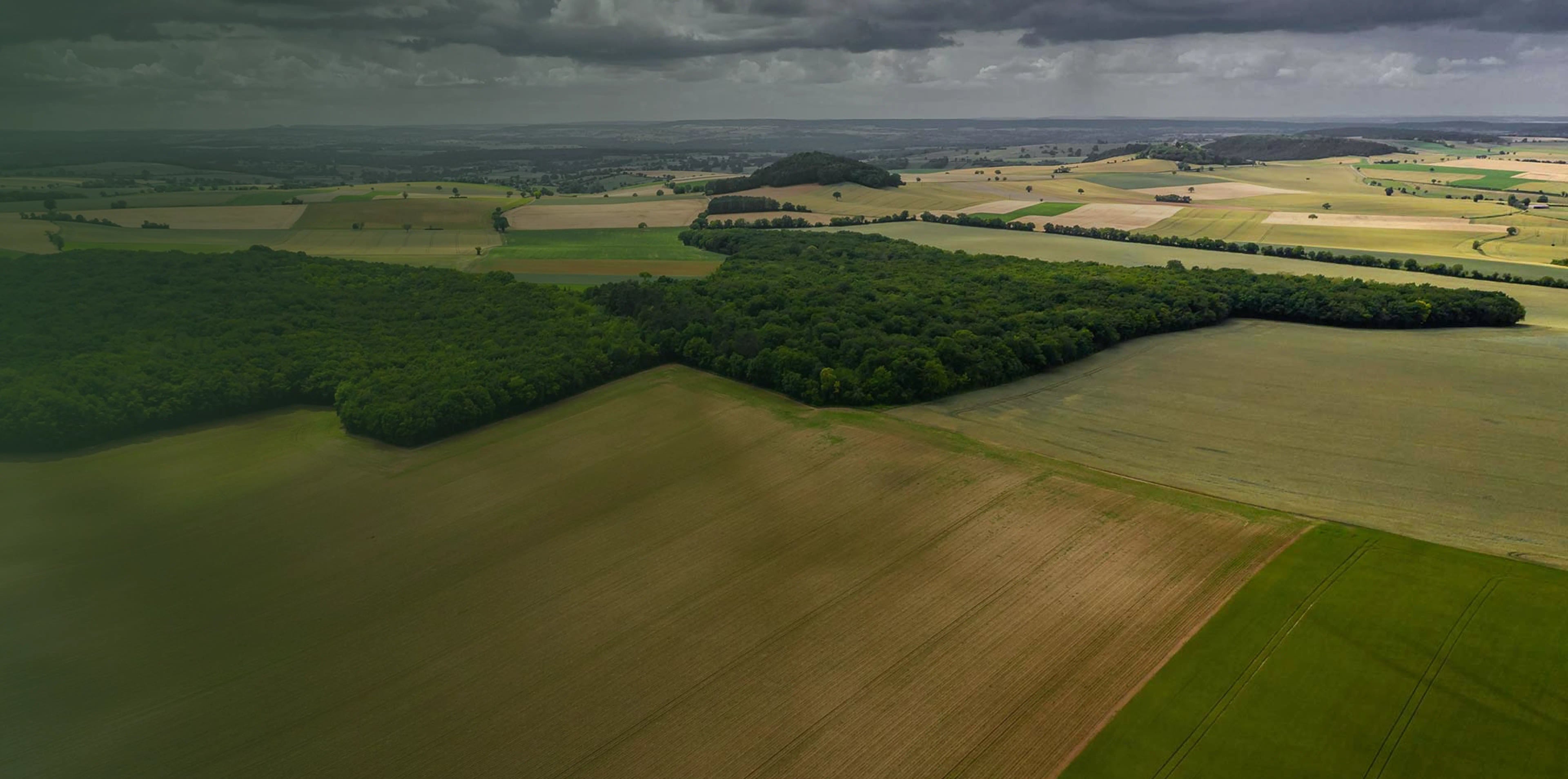
A transformative 1M+ tree planting initiative that brought together Mazingira Environmental Foundation and KCB Bank to restore degraded landscapes in Muhoroni. This comprehensive reforestation project focuses on indigenous species selection, community engagement, and sustainable land management practices. The initiative not only addresses environmental restoration but also creates economic opportunities for local communities through tree nursery management, planting activities, and long-term forest maintenance. Our approach integrates traditional ecological knowledge with modern conservation techniques, ensuring high survival rates and ecosystem resilience. The project serves as a model for corporate-community partnerships in environmental restoration, demonstrating how financial institutions can meaningfully contribute to climate action while supporting rural livelihoods.

An innovative social enterprise initiative that transforms the invasive water hyacinth problem into sustainable energy solutions for rural communities around Lake Victoria. This groundbreaking project addresses two critical challenges simultaneously: the ecological threat posed by water hyacinth proliferation and the energy poverty affecting lakeside communities. Through advanced biomass conversion technologies, we process harvested water hyacinth into high-efficiency briquettes and biogas, providing clean cooking fuel alternatives that reduce deforestation pressure and indoor air pollution. The project creates employment opportunities for youth and women through hyacinth harvesting, processing, and distribution networks. Our comprehensive approach includes community training programs, equipment provision, and market linkage development, ensuring sustainable income generation while contributing to lake ecosystem restoration. This circular economy model demonstrates how environmental challenges can be transformed into economic opportunities.
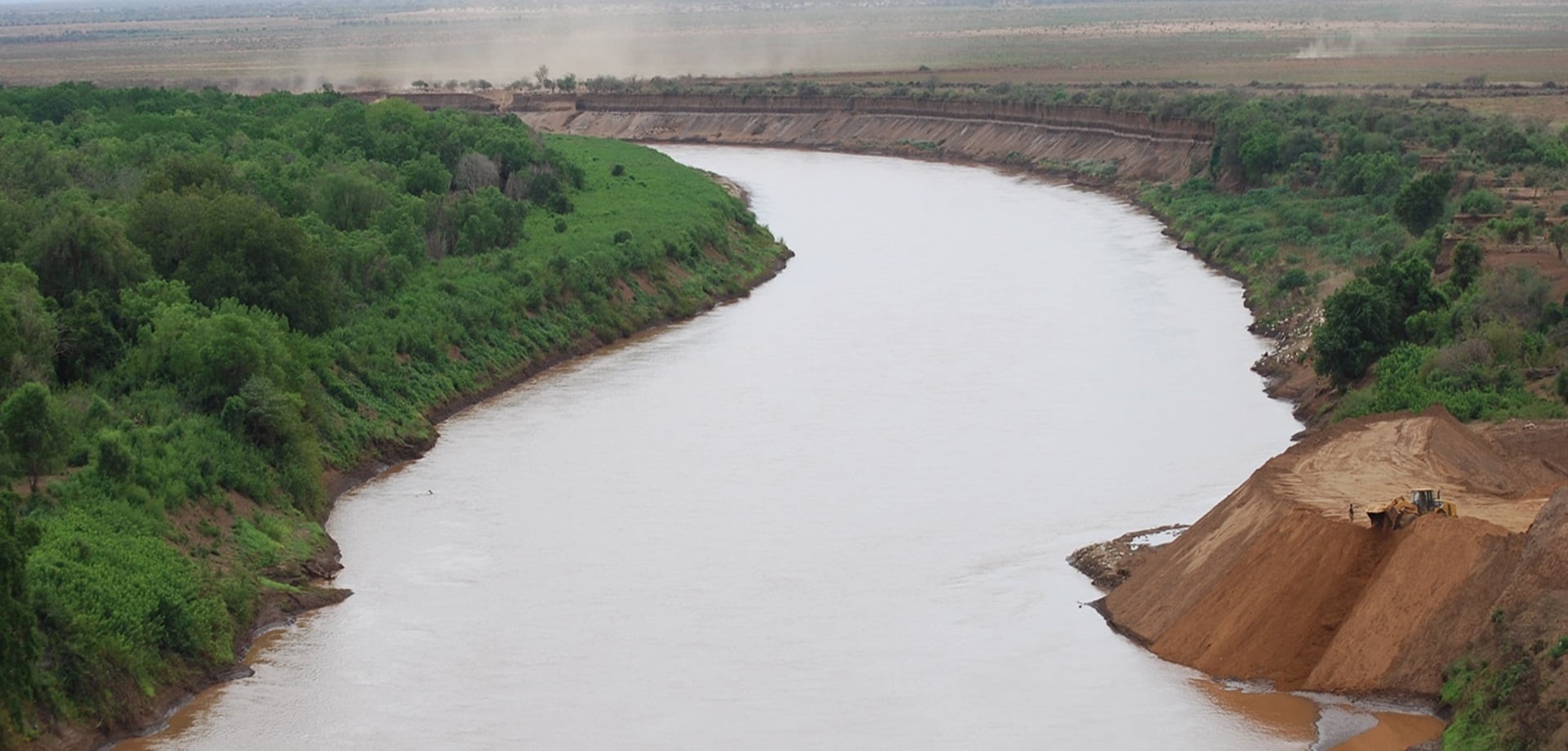
One of our most impactful and comprehensive river restoration projects targeting the critical Nyando River ecosystem within the Lake Victoria Basin. This multi-phase initiative addresses decades of environmental degradation through systematic riverbank restoration, wetland rehabilitation, and community-based watershed management. The project employs innovative approaches including bioengineering techniques for erosion control, native vegetation restoration, and sustainable agriculture practices that reduce sediment and nutrient runoff. Our work directly benefits over 50,000 community members who depend on the river for water, fishing, and agriculture. The restoration efforts include establishing community conservancies, training local environmental champions, and implementing alternative livelihood programs that reduce pressure on natural resources. Through partnerships with local schools and community groups, we've created environmental education programs that ensure long-term stewardship of restored areas. This project serves as a flagship example of integrated ecosystem restoration that balances environmental conservation with community development needs.
A large-scale urban reforestation initiative that transformed the landscape of Tatu City through strategic tree planting and green infrastructure development. This comprehensive campaign planted over 500,000 indigenous and exotic trees across residential, commercial, and public spaces, creating a model for sustainable urban development in Kenya. The project emphasized climate-resilient species selection, water-efficient irrigation systems, and community participation in tree care and maintenance. Our approach integrated landscape architecture principles with ecological restoration, creating green corridors that support biodiversity while providing recreational spaces for residents. The campaign included extensive community engagement programs, school environmental clubs, and corporate volunteer initiatives that fostered environmental stewardship culture. Through innovative partnerships with developers, local government, and community organizations, we established tree nurseries, training programs, and monitoring systems that ensure long-term forest establishment. This project demonstrates how urban development can be harmonized with environmental conservation, creating livable cities that contribute to climate mitigation and adaptation goals.